
If you have searched for kenneth mygreenbucks net, you may have noticed that information about…
Thehometrotters Blog Home Ideas: Modern & Comfortable Living
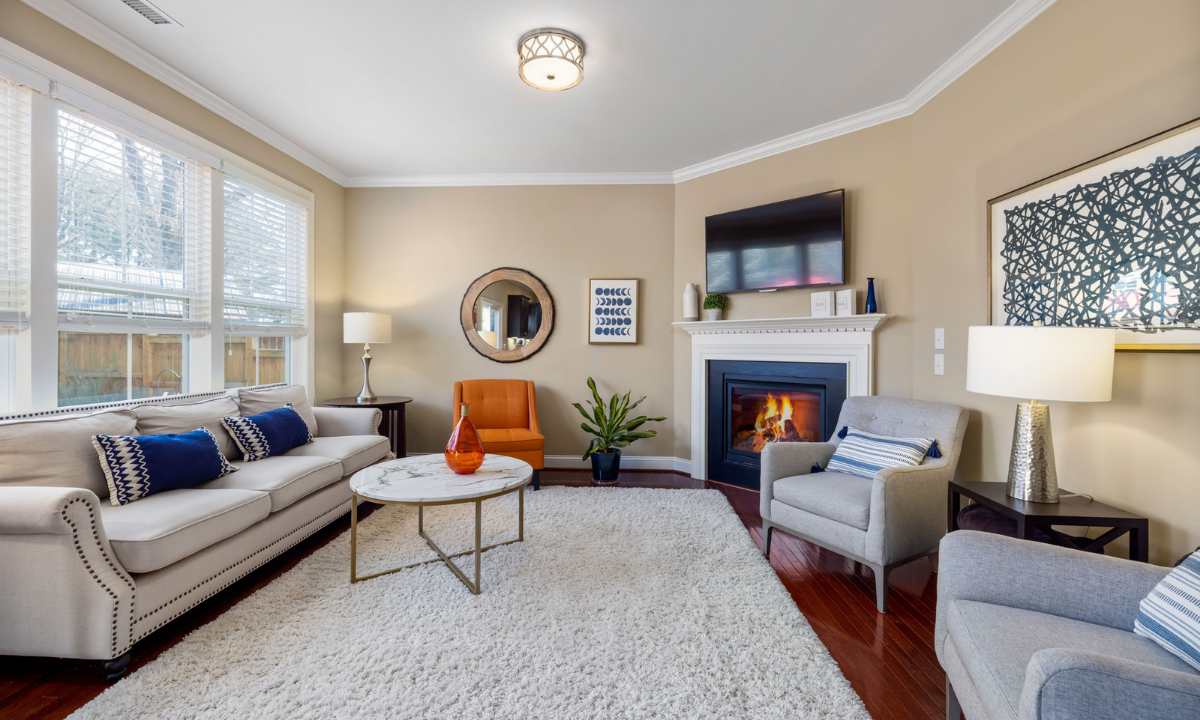
A home should do more than look beautiful in photos. It should feel comfortable when you wake up, work, cook, relax, and spend time with the people you love. That is the basic philosophy behind Thehometrotters Blog Home Ideas—creating spaces that balance modern style with everyday comfort.
Modern home design does not necessarily mean filling your house with expensive furniture, trendy decorations, or complicated technology. In many cases, the best results come from simple choices: comfortable furniture, thoughtful colors, useful storage, good lighting, and personal details that make the space feel like yours.
Whether you live in a large family house, a small apartment, or a compact urban home, these ideas can help you create a space that feels organized, welcoming, and practical without losing its personality.
What Thehometrotters Blog Home Ideas Really Means in a Modern Home
Thehometrotters Blog Home Ideas can be understood as a practical approach to modern living. The goal is not simply to follow whatever style happens to be popular. Instead, it is about making your home work better for the way you actually live.
A modern home can have clean lines and contemporary furniture while still feeling warm and inviting. It can include smart technology without becoming overly complicated. It can look organized without feeling empty or impersonal.
The most successful approach is to think about your lifestyle first and decoration second. Consider how you use each room, what causes inconvenience, where clutter tends to collect, and what makes you feel comfortable. Then choose design elements that solve those problems.
Key Benefits
Following this approach can bring several practical benefits:
- Better comfort: Furniture, lighting, and room layouts can be selected around everyday use.
- Improved organization: Smart storage reduces unnecessary clutter and makes important items easier to find.
- Potential energy savings: Efficient lighting and appliances can make a home more economical to operate.
- More attractive spaces: A consistent color palette and thoughtful decoration can create visual harmony.
- Better use of space: Even small rooms can become more functional when every area has a purpose.
- Greater personal connection: Family photographs, artwork, plants, and favorite objects can make modern spaces feel unique.
Before You Start: Plan a Smart Home That Still Looks Like Home
Before buying anything, take some time to understand your existing space. A beautiful chair will not improve a room if it blocks a walkway, and an impressive storage unit is not useful if it makes the room feel cramped.
Start by identifying the biggest problems in each room. Is the living room difficult to move around in? Does the kitchen lack storage? Does the bedroom feel too busy? Is your home poorly lit?
Once you know the problems, decide which changes will make the greatest difference. You do not have to renovate everything at once. Sometimes moving furniture, changing lighting, or adding one well-designed storage solution can completely change how a room feels.
It is also helpful to establish a realistic budget before shopping. Prioritize items that affect comfort and functionality, then spend what remains on decorative details.
Modern Living Room Ideas for a Cozy Home
The living room is often the heart of a home, so it should feel comfortable enough for everyday life while remaining attractive when guests arrive. The key is to create a balanced space rather than filling every empty corner.
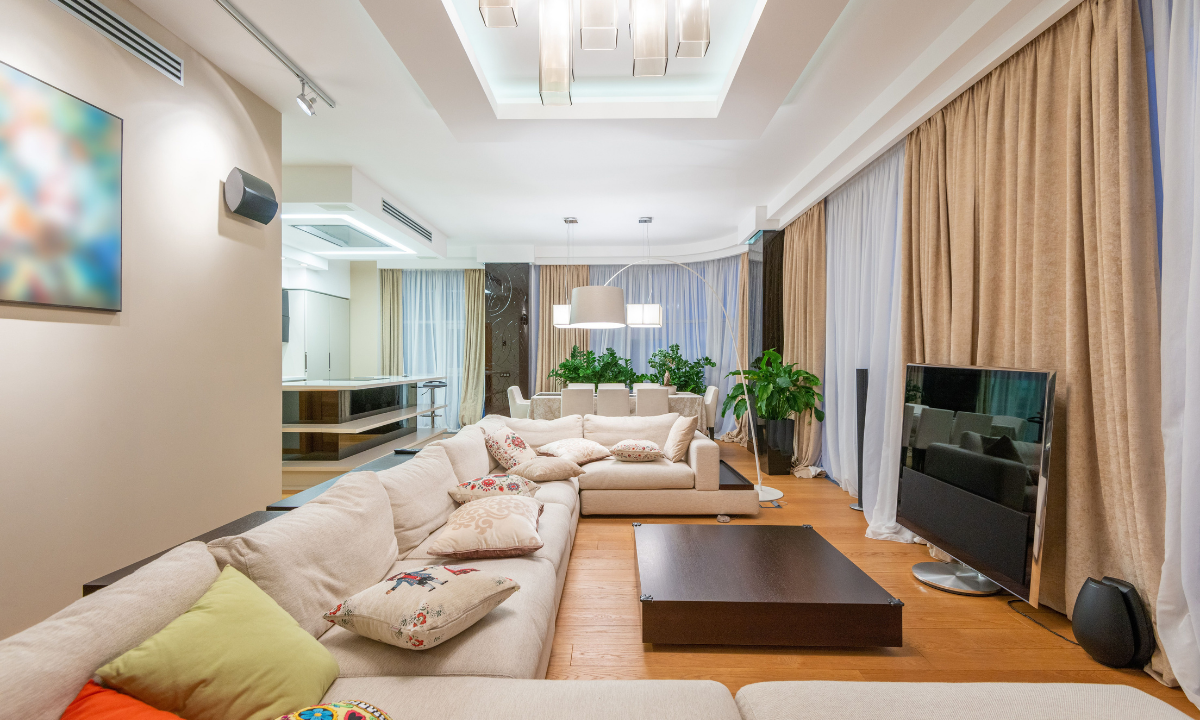
Choose Comfortable and Stylish Furniture
Start with furniture that you genuinely enjoy using. A sofa may look impressive, but if it is uncomfortable, it will quickly become a disappointing purchase.
Look for pieces that suit the size of your room and leave enough space for people to walk naturally. A comfortable sofa, practical coffee table, and one or two supportive chairs can often be more effective than a large collection of furniture.
If your room is small, consider furniture with clean proportions and multiple uses. An ottoman with hidden storage, for example, can provide seating, a footrest, and a place to keep blankets.
Use Neutral Colors With Warm Accents
Neutral shades such as beige, cream, soft gray, and warm white can provide a calm foundation for a living room. They also make it easier to change the appearance of the room later.
However, too many neutral elements can sometimes make a room feel flat. Add warmth through wooden furniture, earthy colors, textured fabrics, or small touches of green, blue, terracotta, or another favorite shade.
The goal is not to make everything match perfectly. A little contrast can give the room character.
Add Texture With Rugs, Curtains, and Cushions
Texture is one of the easiest ways to make a modern room feel cozy. A soft rug can define the seating area, while curtains can soften windows and add visual depth.
Cushions and throws are another simple option. Combine different materials rather than using identical fabrics everywhere. For example, a woven cushion can work nicely alongside a smooth cotton pillow and a soft knitted throw.
These small details can make a clean, modern room feel much more inviting.
Create a Simple but Attractive Entertainment Area
Your television and entertainment equipment should have a clear place without becoming the main visual feature of the room.
A simple media console can hide cables, remotes, and accessories. Wall-mounted equipment can also free up floor space when appropriate. Keep decorative objects around the entertainment area limited so the space does not become visually crowded.
If you enjoy movies or gaming, prioritize comfortable seating and practical organization over unnecessary decoration.
Bedroom Ideas for Better Comfort and Relaxation
A bedroom should feel like a retreat from the noise of daily life. Instead of treating it as another room to decorate, think about how you want to feel when you enter it: calm, comfortable, and ready to rest.
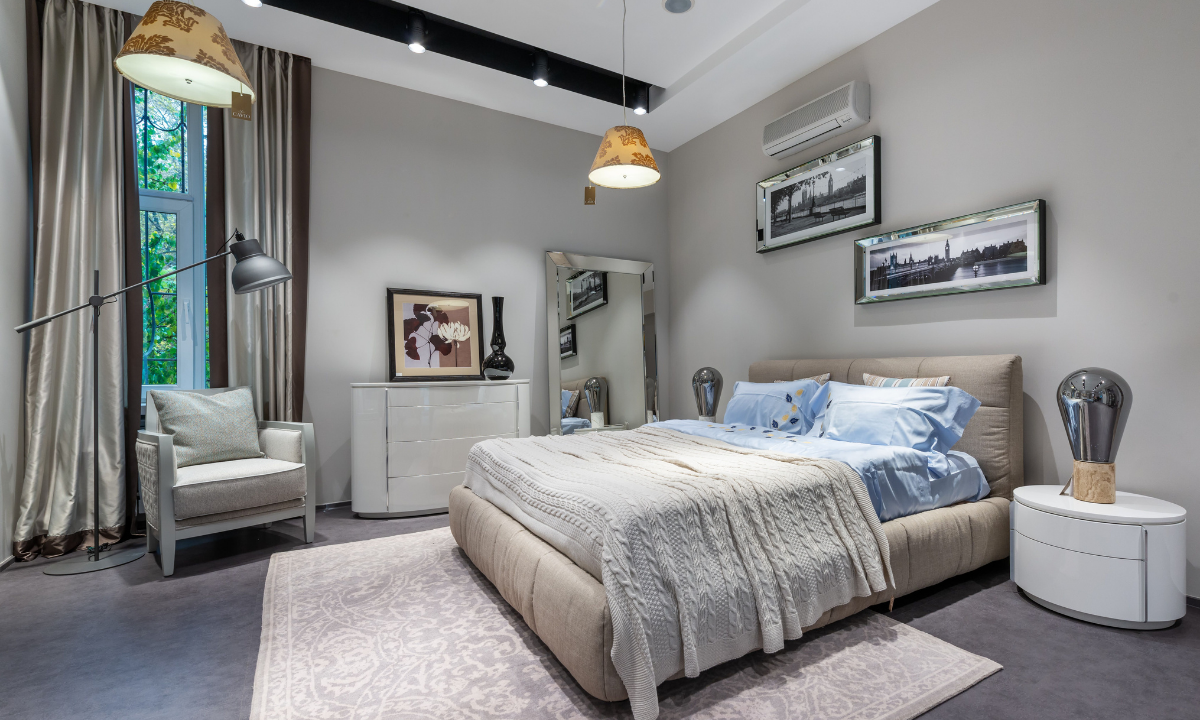
Choose Calming Colors
Soft, muted colors generally create a more relaxing atmosphere than extremely bright or intense shades. Warm neutrals, gentle greens, muted blues, and soft earth tones can all work well.
You do not need to repaint the entire room to introduce a calmer palette. Bedding, curtains, artwork, and accessories can also change the overall color balance.
Invest in Comfortable Bedding
A stylish bedroom cannot compensate for uncomfortable bedding. Choose sheets, pillows, blankets, and a mattress based on your personal comfort preferences.
Pay attention to materials and how they feel in different seasons. A breathable fabric may be more comfortable in warm weather, while layered blankets can provide flexibility when temperatures fall.
Good bedding is one of those home improvements that you experience every day, making it worth prioritizing.
Keep the Bedroom Clutter-Free
Clutter can make it harder for a bedroom to feel peaceful. Give frequently used items a designated home and avoid allowing surfaces such as bedside tables and dressers to become storage areas.
Use drawers, baskets, under-bed storage, or a properly organized wardrobe to keep belongings out of sight when possible.
A tidy bedroom does not have to look sterile. The objective is simply to create enough visual calm to help you relax.
Add Soft Lighting for a Relaxing Atmosphere
A single bright ceiling light is rarely enough for a comfortable bedroom. Layer the lighting instead.
Bedside lamps can provide gentle light for reading, while a small accent light can create warmth in another part of the room. Choose bulbs with a comfortable color temperature and use dimmable options when practical.
The ability to lower the light in the evening can make the room feel considerably more relaxing.
Modern Kitchen Ideas That Combine Beauty and Function
A modern kitchen needs to look good, but its real success comes from how easily you can prepare food, clean surfaces, and access the things you use every day.
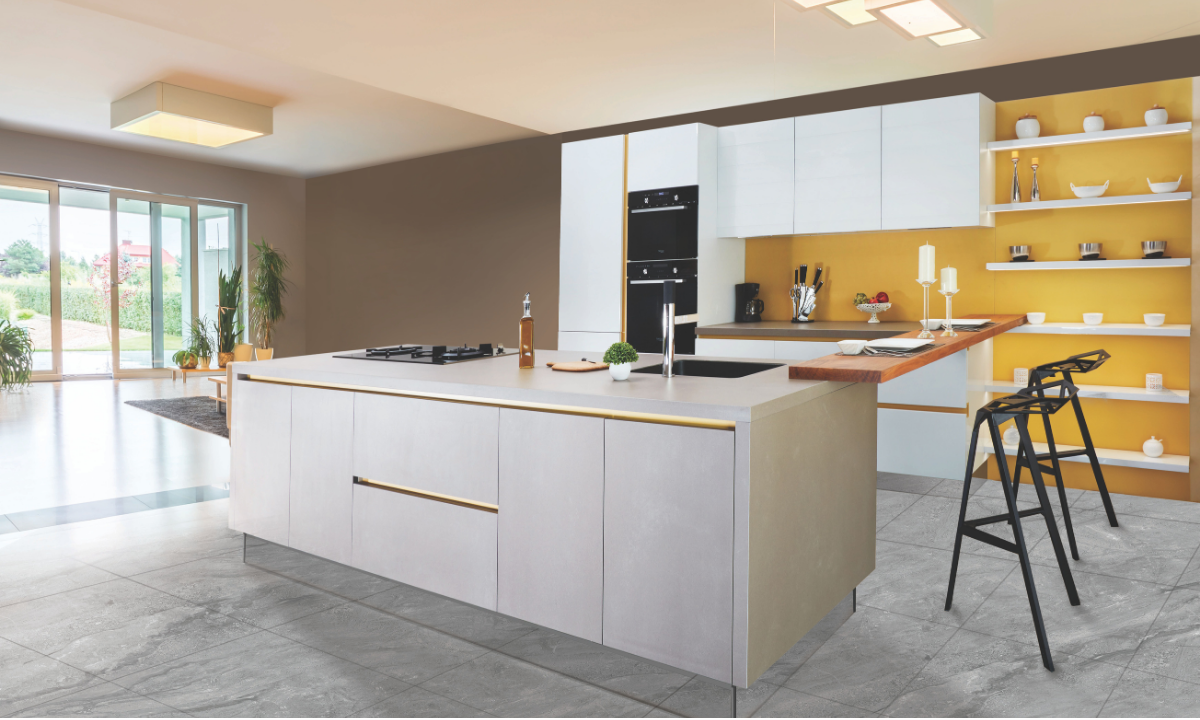
Make the Most of Your Kitchen Space
Think carefully about how you move through the kitchen. Frequently used items should be easy to reach, while less-used equipment can be stored in less accessible areas.
Avoid filling every available surface. Leaving some open workspace can make cooking easier and help the kitchen feel less crowded.
Even a compact kitchen can function well when its layout reflects the habits of the people who use it.
Choose Practical Storage Solutions
Storage should solve a problem rather than simply add more furniture. Pull-out organizers, drawer dividers, vertical racks, and cabinet organizers can make existing storage more useful.
Keep similar items together and store everyday essentials where they are easiest to reach. This small organizational change can save time and reduce frustration.
Add Modern Lighting and Fixtures
Kitchen lighting should support different activities. Bright task lighting is useful around food preparation areas, while softer lighting can make dining and socializing more pleasant.
Pendant lights, under-cabinet lighting, and simple contemporary fixtures can add style without overwhelming the room.
When selecting fixtures, consider both appearance and maintenance. Kitchens naturally produce moisture, heat, and grease, so easy-to-clean designs are often practical choices.
Keep Countertops Clean and Organized
Clear countertops instantly make a kitchen feel more spacious. Keep only the appliances and tools you use regularly within easy reach.
Instead of allowing small items to spread across the counter, group them intentionally. A tray can keep everyday objects together, while cabinets can hold equipment that is only used occasionally.
The result is a kitchen that looks calmer and is easier to work in.
Small Home Ideas to Make Every Space Feel Bigger
Small homes require thoughtful decisions because every square foot matters. The objective is not to make a small home look enormous but to make it feel open, comfortable, and useful.
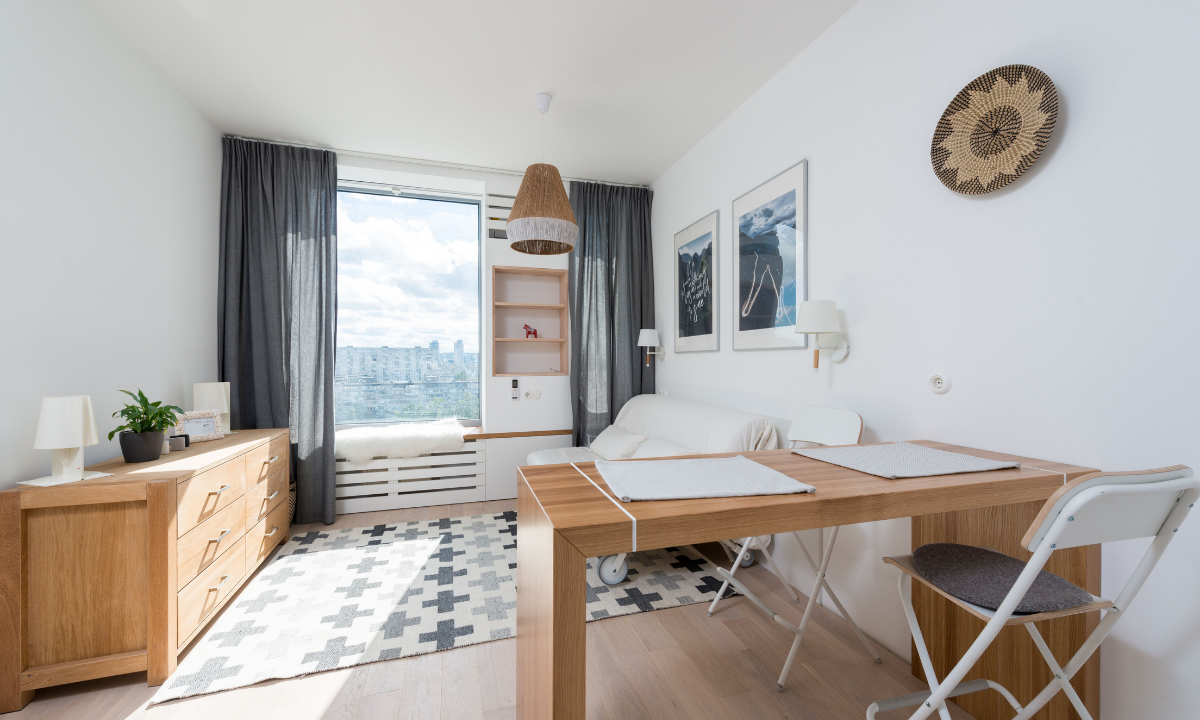
Use Multifunctional Furniture
Furniture that serves more than one purpose is extremely useful in compact spaces. A sofa bed can provide seating during the day and sleeping space when necessary.
Storage benches, nesting tables, extendable dining tables, and desks that can be folded away are other possibilities.
Before purchasing a piece, ask whether it solves more than one problem. If it does, it may deserve priority in a small home.
Take Advantage of Vertical Space
When floor space is limited, look upward. Tall shelving, wall-mounted cabinets, hooks, and vertical organizers can provide storage without taking much floor area.
However, avoid covering every wall with shelves. A few carefully planned vertical storage areas can be more effective than turning the entire room into a storage display.
Choose Light Colors and Mirrors
Light colors can help reflect available light and create a more open feeling. This does not mean your home must be completely white.
Soft neutrals and light natural tones can create the same sense of openness while adding warmth. Mirrors can also reflect light and give the impression of additional depth when positioned thoughtfully.
Reduce Clutter With Smart Storage
Clutter makes small rooms feel even smaller. Use storage baskets, closed cabinets, drawer organizers, and furniture with built-in storage to keep everyday items under control.
Try to maintain a simple rule: if something does not have a useful purpose or meaningful value, consider whether it needs to occupy valuable space.
Budget-Friendly Home Improvement Ideas
A home makeover does not require a huge budget. Some of the most noticeable changes come from inexpensive improvements and better use of what you already own.
Refresh Your Walls With Paint
Fresh paint can dramatically change the atmosphere of a room. A warm neutral can make a space feel calmer, while a carefully selected accent wall can introduce personality.
Before painting, test samples in different lighting conditions. A color that looks attractive in a store may appear completely different in morning, afternoon, and evening light.
Update Lighting Fixtures
Replacing an outdated light fixture can give a room a more contemporary appearance without changing the furniture.
You can also improve the atmosphere by adding table lamps, floor lamps, or small accent lights. Good lighting often makes existing furniture and decoration look better.
Rearrange Furniture for a New Look
Before spending money, experiment with your current layout. Move the sofa, change the position of chairs, or create a more defined conversation area.
Sometimes a room feels outdated simply because the furniture has remained in the same arrangement for years.
Add Affordable Decorative Accessories
Small accessories can introduce color and personality without requiring a major investment. Cushions, artwork, baskets, vases, plants, throws, and decorative trays can all make a difference.
Choose a few items you genuinely like rather than buying many pieces simply to fill empty surfaces.
Smart Home Ideas for Modern Living
Technology can make a home more convenient, but smart features should support your lifestyle rather than make it more complicated.
Smart Lighting
Smart bulbs and lighting systems can allow you to adjust brightness, create schedules, and control lights more conveniently.
You can use brighter lighting when working and softer lighting when relaxing. Automated schedules may also help prevent lights from being left on unnecessarily.
The best smart lighting setup is one that remains easy to use for everyone in the household.
Energy-Efficient Home Appliances
When replacing appliances, consider energy efficiency alongside appearance and price. Efficient refrigerators, washing machines, air conditioners, and other appliances may help reduce energy consumption over time.
Also pay attention to how you actually use an appliance. Efficient technology works best when combined with sensible everyday habits.
Smart Security and Home Convenience
Modern technology can also improve security and convenience through features such as smart doorbells, cameras, locks, sensors, and automated controls.
However, technology should be selected carefully. Consider privacy, security settings, compatibility, maintenance, and ease of use before installing connected devices throughout the home.
How to Add Personality to Your Home
A modern home should not look like a showroom. Your personality is what turns a well-designed space into a real home.
Display Family Photos and Favorite Items
Photographs, travel souvenirs, books, artwork, and treasured objects can tell the story of the people who live in the house.
Create intentional displays rather than placing everything everywhere. A small gallery wall or a carefully arranged shelf can have more impact than dozens of scattered decorations.
Bring Nature Indoors With Plants
Plants can add color, texture, and life to modern interiors. Choose varieties that match the amount of natural light and care you can realistically provide.
If you are new to houseplants, start with a few low-maintenance options instead of creating a large indoor garden immediately.
Mix Modern Pieces With Personal Touches
There is no rule saying every item in a modern home must look contemporary. An older wooden table, handmade decoration, vintage photograph, or inherited chair can create interesting contrast.
Combining contemporary pieces with meaningful objects often produces a space that feels more authentic than a room decorated entirely from one collection.
Sustainable Home Ideas for Comfortable Living
Comfort and sustainability can work together. Making responsible choices does not require turning your home into a complicated environmental project.
Choose Eco-Friendly Materials
When buying new furniture, flooring, textiles, or decorative items, consider materials that are responsibly produced, durable, and suitable for long-term use.
Natural materials can also bring warmth and texture to modern interiors. More importantly, choose products based on quality and suitability rather than simply buying something because it is marketed as sustainable.
Save Energy and Water
Simple habits can make a meaningful difference. Turn off unnecessary lights, use efficient bulbs, fix leaking taps, and avoid wasting hot water.
Good insulation, efficient appliances, appropriate thermostat settings, and sensible window treatments can also help manage household energy use.
Invest in Durable, Long-Lasting Products
The cheapest item is not always the most economical choice. Furniture and household products that break quickly may need to be replaced repeatedly.
Choosing durable products can reduce waste and save money over the long term. Look for solid construction, replaceable parts where possible, and designs that are unlikely to feel outdated after a short period.
How to Apply These Thehometrotters Blog Home Ideas Room by Room
The easiest way to apply Thehometrotters Blog Home Ideas is to work through your home one room at a time rather than attempting everything simultaneously.
Start with the living room by improving seating, lighting, storage, and the overall layout. In the bedroom, focus first on comfort, calm colors, bedding, and clutter control. For the kitchen, prioritize organization, useful storage, work surfaces, and appropriate lighting.
In bathrooms and entryways, concentrate on simple organization because these areas can become cluttered quickly. In small spaces such as hallways or compact home offices, look for vertical storage and furniture that performs multiple functions.
A room-by-room approach also makes budgeting easier. You can complete one area, evaluate what worked, and then apply the lessons to the next room.
Common Home Design Mistakes to Avoid
Even good design ideas can fail when they are applied without considering the needs of the people living in the home.
Overcrowding Rooms
One of the most common mistakes is trying to fit too much furniture into a room. Empty space is not wasted space—it helps people move around comfortably and allows important furniture to stand out.
Before adding something new, consider whether the room actually needs it.
Choosing Style Over Comfort
A beautiful chair that nobody wants to sit in is not a successful design choice. Your home is meant to be lived in, so comfort should always have a place alongside appearance.
When choosing furniture, think about how you will use it every day rather than how it looks in a photograph.
Ignoring Lighting
Even an attractive room can feel unpleasant when the lighting is too harsh, too dark, or poorly positioned.
Think about natural light during the day and layered artificial lighting after sunset. Different activities often require different levels of brightness.
Creating Too Much Visual Clutter
Too many colors, patterns, decorations, and objects competing for attention can make a home feel chaotic.
Choose a few key elements and give them room to breathe. A simpler space does not have to be boring; it can actually make your favorite pieces more noticeable.
Expert Tips to Make Thehometrotters Blog Home Ideas Work for You
The most useful Thehometrotters Blog Home Ideas are the ones you can adapt to your own circumstances. Do not copy a room exactly because it looks attractive online. Ask what makes that space work and determine how you can apply the same principle at home.
A few practical rules can make the process easier:
Start with function before decoration.
Measure your room before purchasing large furniture.
Create a consistent color direction without making every item identical.
Use lighting to create different moods and support different activities.
Keep frequently used items easy to access.
Leave enough open space for comfortable movement.
Choose quality where durability matters most.
Introduce personal objects so the home reflects your story.
Make changes gradually instead of rushing into a complete makeover.
Most importantly, remember that design is not a competition. A home that perfectly reflects your lifestyle is more valuable than one that simply follows a trend.
Are Thehometrotters Blog Home Ideas Worth It?
Yes, especially when you treat the ideas as a source of inspiration rather than a strict set of rules.
The real value of Thehometrotters Blog Home Ideas is the focus on combining appearance with practical living. You can take an idea about storage and adapt it to your kitchen. You can use a suggested color approach in your bedroom. You can borrow a lighting concept for your living room without buying exactly the same products or furniture.
The ideas are most worthwhile when they help you make thoughtful decisions. Instead of asking, “Does my home look modern enough?” ask, “Does my home make everyday life easier and more enjoyable?”
That change in perspective can lead to better decisions and fewer unnecessary purchases.
Final Thoughts
Creating a modern and comfortable home does not require a complete renovation or an unlimited budget. The best results usually come from understanding your space, identifying what is not working, and making purposeful improvements.
From comfortable living room furniture and calming bedrooms to organized kitchens, smart storage, sustainable choices, and carefully selected technology, small decisions can have a significant effect on everyday life.
Ultimately, Thehometrotters Blog Home Ideas is about finding the right balance between style, comfort, function, and personality. Your home should look good, but more importantly, it should work for you. When every room supports the way you live and still contains touches that feel personal, modern design becomes much more than decoration—it becomes a better way to live.